EU-China Summit Spotlights Tibet: Deep Concerns Over Human Rights Violations
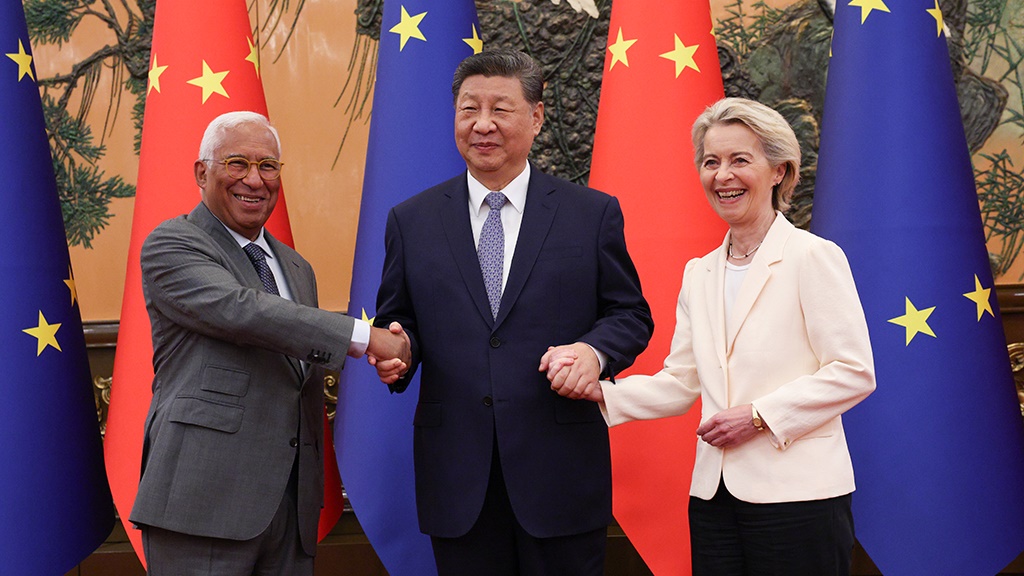 EU representatives confronted China with the systematic oppression in Tibet during the summit in Beijing.
Serious Concerns About Human Rights Violations in Tibet
During the 25th EU-China summit, which took place on 24 July in Beijing, the European Union once again expressed its serious concerns about the human rights situation in Tibet. The summit coincided with the 50th anniversary of diplomatic relations between the EU and China and was attended by prominent leaders, including European Council President António Costa, Commission President Ursula von der Leyen and Chinese President Xi Jinping. EU foreign affairs chief Kaja Kallas was also present.
Tibet Explicitly Raised
In the discussions, which covered a broad range of bilateral and global topics, the EU explicitly raised the subject of Tibet, with emphasis on the ongoing concerns about the oppression of human rights defenders and the curtailment of fundamental freedoms.
Dalai Lama Succession Must Align with Religious Traditions
The summit followed the 40th session of the EU-China Human Rights Dialogue, held in Brussels in June. There, the EU once again emphasised its concern about Chinese interference in religious affairs, including the succession of the Dalai Lama. Brussels underscored that this succession must be in line with religious traditions and Tibetan customs. In the list of individual cases of concern presented by the EU, several Tibetan voices were clearly featured.
Tibet Remains a Continuing Point of Friction for the EU
Despite tensions on the diplomatic front, the summit made clear that human rights in Tibet remain a continuing point of friction in the EU-China relationship.
Tsering Jampa, chair of Tibet Support Group NetherlandsThe Tibet Support Group Netherlands is pleased with the attention given to Tibet during the summit, but emphasised that direct action and international pressure are needed to achieve real progress.
Sources
- 25th EU-China summit - EU press release
- 25th EU-China Summit Spotlights Tibet Human Rights Concerns
- International Campaign for Tibet - EU China Summit 2025
- Europe and China agree to take action on climate change and nothing else in tense Beijing summit
- EU's Rights Dialogue with China Still Going Nowhere - Human Rights Watch