Chinese human rights violations in Tibet discussed at 60th UN Human Rights Council
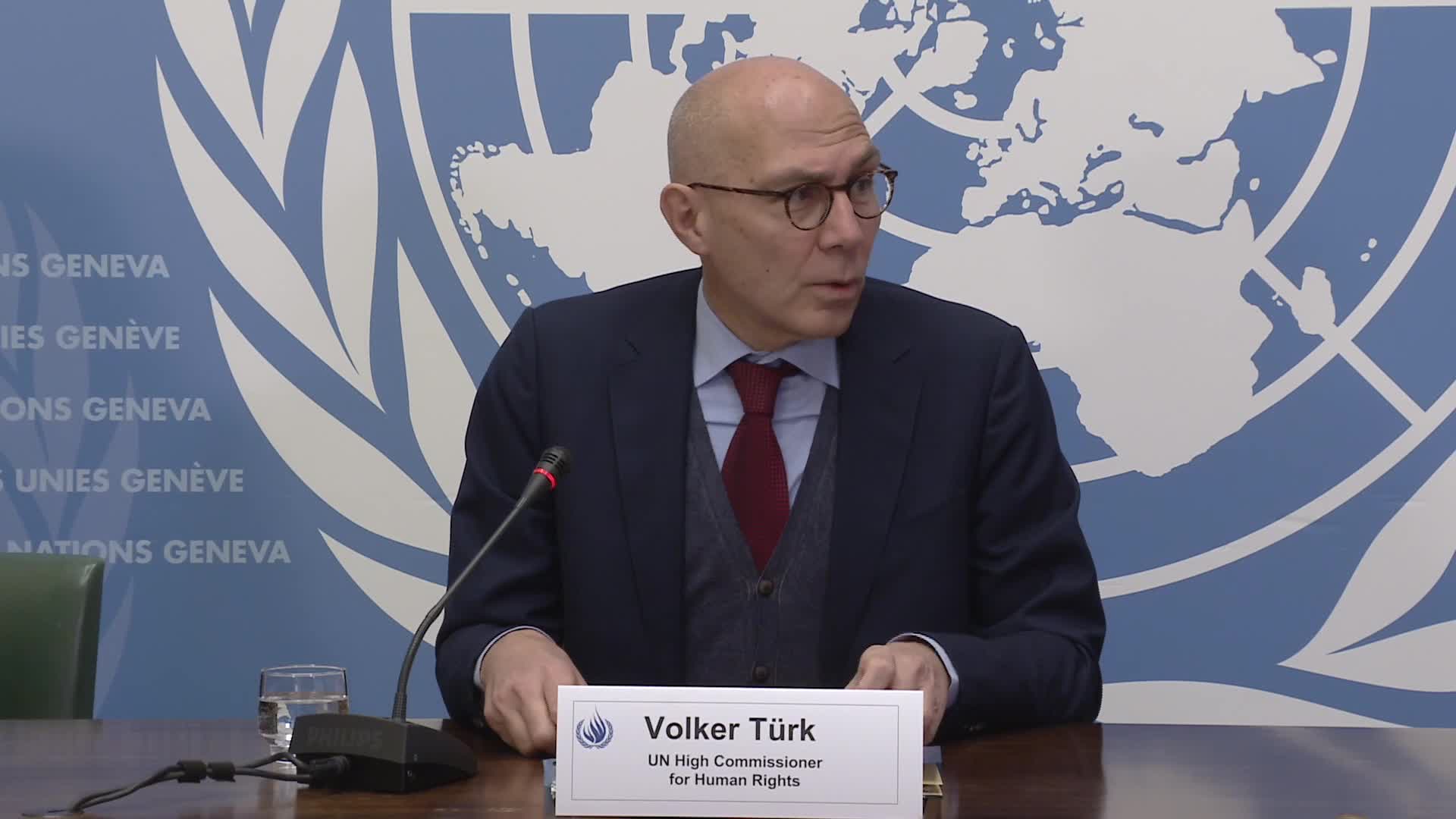
Geneva, September 8 — The United Nations High Commissioner for Human Rights, Volker Türk, has raised new concerns about the situation in Tibet. He warned that meaningful progress in protecting the rights of Tibetans in Tibet remains absent, despite years of international engagement with China. He made these remarks during the 60th session of the United Nations Human Rights Council in Geneva, Switzerland, last Monday.
At the opening of the 60th UNHRC session, Türk stated: “In China, the progress we sought for the protection of the rights of Uyghurs and other Muslim minorities in Xinjiang, as well as Tibetans in their regions, has not been realized. This is a priority for the engagement of my office.”
The High Commissioner’s remarks coincided with China’s recent celebration of the 60th anniversary of the establishment of the Tibet Autonomous Region (TAR). Official narratives from Beijing emphasized economic growth, infrastructure development, and modernization as evidence of success under Chinese governance.
However, independent observers and human rights activists painted a sharply contrasting reality, pointing to systematic restrictions on Tibetans’ cultural and religious freedoms. Reports highlighted the detention of individuals such as Asang, punished for singing songs in honor of the Dalai Lama, and the tragic case of Gompo Kyi, who attempted suicide in protest against the prolonged imprisonment of her brother. The death of Tibetan religious leader Gonjo Tulku Palden Wangyal while in Chinese custody has further underscored the risks faced by those who resist state policy.
Criticism also focuses on education and language policy. Tibetan children are increasingly being placed in state-run boarding schools, where curricula emphasize Mandarin and diminish the Tibetan language and culture. Human rights groups warn that such practices amount to cultural assimilation, threatening the survival of Tibetan heritage across generations.
The UN Human Rights Office and the UN Tibet Bureau have repeatedly raised concerns in international forums, pointing to intensified surveillance, restrictions on monasteries, arbitrary detentions, and the criminalization of peaceful expression. Such measures, they argue, violate China’s obligations under international law.