Tibetan monk secretly sentenced to seven years in prison after years of enforced disappearance
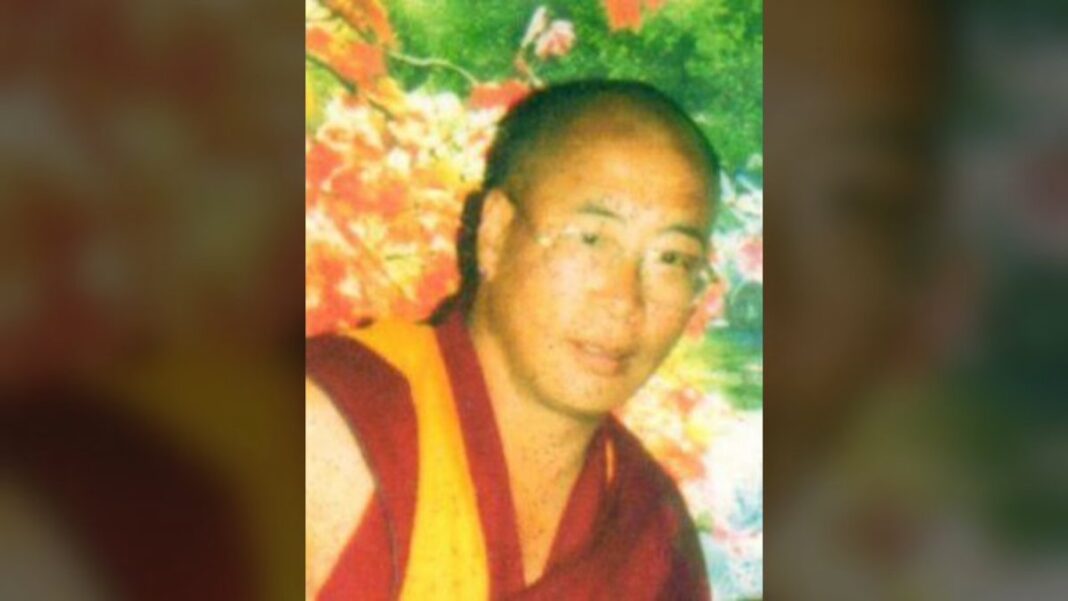 Dhargye in an undated photo. (Photo: TCHRD)
Tibetan monk Dhargye, 63 years old, has been secretly sentenced to seven years in prison by Chinese authorities. He was arrested in Lhasa on August 5, 2021, and has been held in complete incommunicado detention ever since. His family only received confirmation of the conviction in January 2026 — more than four years after his arrest. Whether a formal trial was ever conducted remains unknown.
Arrested for religious practices
Dhargye was arrested alongside his relative Tsering and a nun named Choekyi. The other two were released after several months; Dhargye disappeared entirely. According to reliable sources, the official charges were that he had “made prayers and ritual offerings to His Holiness the Dalai Lama” and “assisted several Tibetan monks in leaving Tibet” — acts considered fundamental religious expressions in Tibetan Buddhism, but treated by Chinese authorities as political offences.
Dhargye was born in 1962 in Serta in the Golog region (Amdo). He was a monk of Serta Sera Monastery — officially known as Sera Thekchen Chokhor Ling Monastery, founded in 1736. Before his arrest he was known as a respected religious practitioner: he performed consecration ceremonies for statues, scriptures, and stupas, and ran a small shop in Lhasa offering such services. In his community he was regarded as trustworthy and spiritually qualified.
Family kept in the dark for years
In September 2025, local Tibetans made inquiries at Lhasa Police about Dhargye’s situation. Officers assured them he would be released soon and was in good health. Those assurances proved false. Only months later, in January 2026, did the family learn he had already been sentenced — without ever being informed of the charges, a court hearing, or his place of detention.
Serta Sera Monastery
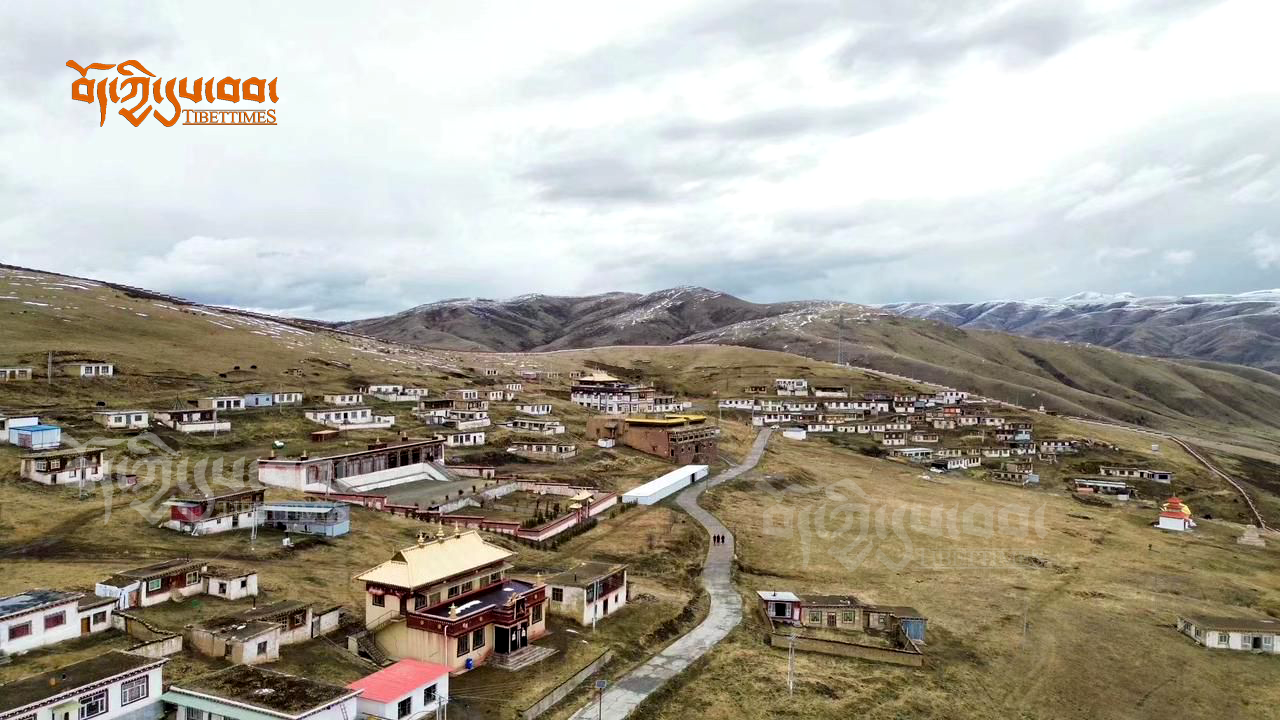 Serta Sera Monastery (Sera Thekchen Chokhor Ling) in Lhasa, founded in 1736, where Dhargye served as a monk.
Serta Sera Monastery has a long religious history but has operated for decades under strict Chinese oversight. Monks are subjected to “patriotic re-education” campaigns in which they are forced to denounce the Dalai Lama and pledge loyalty to the Communist Party. Maintaining religious ties with the Tibetan exile community — let alone making offerings to the Dalai Lama — can lead to detention.
Internationally condemned
The International Campaign for Tibet (ICT) described Dhargye’s case as a “stark example” of religious repression and violation of the right to a fair trial. The organisation pointed to the absence of judicial transparency, the denial of family visits, the unknown health status of the now 63-year-old prisoner, and violations of multiple international human rights standards.
The Tibetan Centre for Human Rights and Democracy (TCHRD) documented the case and underlined that it fits a broader pattern of enforced disappearances in Tibet, in which Chinese authorities systematically refuse to provide information about detained Tibetans.
Dhargye’s case is further evidence that practising ordinary religious customs in Tibet can result in secret arrest, years of incommunicado detention, and a conviction without any form of transparent legal process.
Sources
- Tibetan monk secretly sentenced to seven years in prison following years of enforced disappearance
- Senior Tibetan monk secretly sentenced to 7 years in Lhasa after years of enforced disappearance
- Tibet Monk Dhargye Sentenced to Seven Years' Imprisonment
- China's enforced disappearance and sentencing of Venerable Dhargye
- ICT highlights Tibetan monk Dhargye's 7-year sentence as stark example of religious repression