Chinese authorities arrest Tibetan singer Ah Sang for performing at Dalai Lama's 90th birthday celebration
Chinese authorities arrested Tibetan singer Ah Sang, also known as Tsugte, more than two weeks ago in Ngaba, in the eastern Tibetan region of Amdo. His crime? Performing the spiritual song “Prince of Peace” during the worldwide celebrations of the Dalai Lama’s 90th birthday.
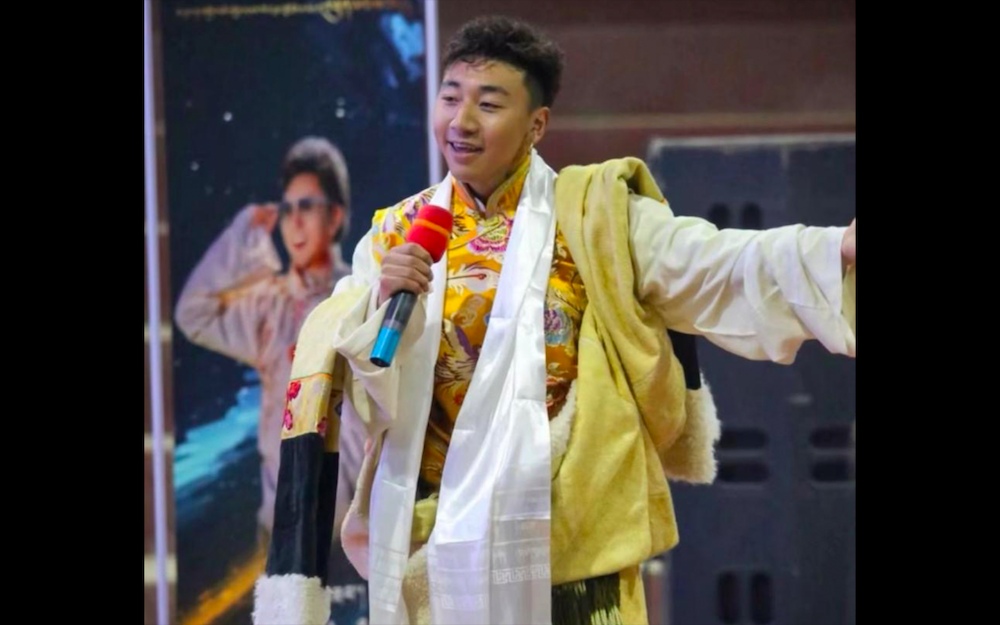 Tibetan singer Ah Sang in an undated photo (Photo/VOT)
Cultural repression in action
Ah Sang was detained along with two friends by Chinese security services. The song “Prince of Peace” contains spiritual themes and references to the life of the Dalai Lama — exactly the kind of cultural expression that the Chinese Communist Party systematically seeks to eradicate in Tibet.
This arrest is not an isolated incident, but part of China’s broader campaign to destroy every form of Tibetan cultural and religious identity. The Chinese authorities tolerate no expression of loyalty to the Dalai Lama or preservation of traditional Tibetan culture.
A life under Chinese surveillance
Ah Sang had previously drawn the attention of the Chinese authorities through his courageous symbolic gesture of writing “Tibet” on his forehead — an act that demonstrated his unwavering bond with his homeland.
The singer, who is married to Lhamo and is the father of a young son, is expecting a second child with his wife. These personal details make the arbitrary arrest all the more tragic — a family torn apart by Chinese state repression.
Systematic cultural genocide
This arrest fits within the broader pattern of cultural genocide that China is carrying out in Tibet. Tibetan artists, singers, writers, and other cultural figures are routinely arrested, imprisoned, or disappeared when they express their cultural heritage.
The Chinese authorities fear the power of Tibetan culture and spirituality — that is why they attempt to suppress every expression of it. A simple song is considered a threat to their illegal occupation of Tibet.
International condemnation needed
Tibet Support Group Netherlands condemns this flagrant violation of fundamental human rights. The right to cultural expression, freedom of speech, and religious practice are universal rights that China systematically violates in Tibet.
We call on the Dutch government and the international community to:
- Demand the immediate release of Ah Sang and his friends
- Impose sanctions against Chinese officials responsible for cultural genocide in Tibet
- Hold China accountable for the systematic repression of Tibetan culture
Culture as resistance
The story of Ah Sang demonstrates that Tibetan culture itself has become a form of resistance against the Chinese occupation. Every traditional melody, every spiritual song, every expression of Tibetan identity is seen by Beijing as a threat.
But that is precisely why we must continue to support and protect Tibetan culture. For as long as Tibetans keep singing their songs and telling their stories, Tibet will never truly have succumbed to Chinese repression.
The courage of singers like Ah Sang reminds us why the struggle for a free Tibet is needed more than ever.