After 18 years in prison for language rights protest: Yeshe Sangpo released but in poor health
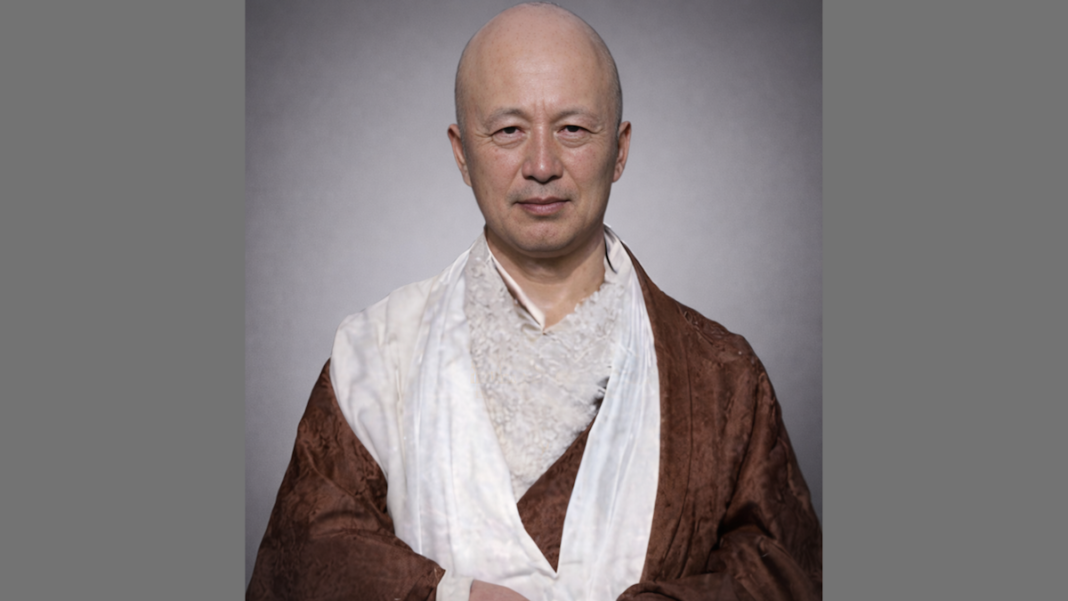 Yeshe Sangpo in an undated photo taken before his arrest. (Photo: Tibet Times / Phayul)
On 25 March 2026, Yeshe Sangpo was released after completing an eighteen-year prison sentence in full. The 58-year-old Tibetan from Bum Nying Village in Sershul County, Kardze Tibetan Autonomous Prefecture (Sichuan Province), left Ra Nga County Prison in severely deteriorated health. Nearly two decades of incarceration have taken a grave toll on his physical condition.
A protest for the Tibetan language
In 2007, Yeshe Sangpo organised a protest in the centre of Sershul County together with his brother Lobsang and a group of fellow citizens. The demonstrators demanded that the Chinese government respect the Tibetan people’s right to preserve, study, use, and promote their own language — rights that were coming under increasing pressure from restrictive government policies.
 Tibet Times announcement of Yeshe Sangpo’s release after eighteen years in prison.
During the protest, police intervened with force and beat the demonstrators. The confrontation escalated. In the aftermath, Yeshe Sangpo was accused of causing the death of a Chinese police officer. In May 2008, he was sentenced to eighteen years in prison by the Sershul County court — one of the harshest sentences ever imposed on a Tibetan for participating in a language rights protest.
Eighteen years of imprisonment
At the time of his arrest, Yeshe Sangpo left behind his wife, Tsering Dolma. He served his full term at Ra Nga County Prison. Throughout his detention, his family’s access to him was extremely limited and his situation remained largely invisible to the outside world.
On 25 March 2026 — eighteen years after his conviction began — he walked free. Sources describe his physical condition as “extremely poor” and “critical.” Nearly two decades of imprisonment, with the deprivations that entails, have severely damaged his health.
Surveillance continues
Freedom does not mean unrestricted movement. Local sources report that Yeshe Sangpo remains under surveillance by Chinese security officials following his release. His freedom of movement continues to be constrained, and pressure on him and those around him persists.
Language rights as a criminal offence
Yeshe Sangpo’s case is not unique. Tibet has a long record of Tibetans arrested, tried, and convicted for defending their own language — a right enshrined in international treaties that China itself has signed, including the UN International Covenant on Economic, Social and Cultural Rights.
Under China’s “Sinicisation” policy in Tibet, Tibetan-language education and public use of Tibetan are being progressively curtailed. Those who resist risk not only social exclusion but criminal prosecution. Eighteen years of Yeshe Sangpo’s life are the price of that resistance.
Sources
- Tibetan jailed by China for 18 years during language rights protest emerges in fragile health
- Tibetan political prisoner released after 18 years, health in critical condition
- Tibetan Political Prisoner, Yeshe Sangpo Released from Prison
- 18 years for defending Tibetan: A voice China could not silence
- China accused of silencing Tibetan voices as activist handed 18-year secret sentence